A bored dog can quickly become a frustrated dog. Chewing furniture, barking excessively, digging, pacing, or constantly demanding attention may sometimes indicate that your dog needs more exercise, interaction, or mental stimulation.
The right toys can help turn ordinary playtime into an opportunity for your dog to run, chew, sniff, explore, solve problems, and interact with you.
Whether you have a playful puppy, an energetic adult dog, or a senior companion, choosing a variety of appropriate toys can make everyday life more interesting.
In this guide, we'll explore the best dog toys for bored dogs, including interactive toys, puzzle toys, chew toys, fetch toys, enrichment products, and more.
Why Do Dogs Get Bored?
Dogs are naturally curious and active animals. Although their individual exercise needs vary, simply providing food and a place to sleep isn't enough to keep every dog mentally stimulated.
Boredom can occur when a dog doesn't have enough opportunities for:
Physical exercise
Mental stimulation
Social interaction
Exploration
Play
Appropriate chewing
Training
A toy won't replace walks, training, or time spent with your dog, but the right toy can provide an additional source of enrichment.
What Are the Best Dog Toys for Bored Dogs?
The best toy depends on your dog's personality, size, age, chewing habits, and activity level.
Here are 15 types worth considering.
1. Interactive Treat-Dispensing Toys
Treat-dispensing toys encourage dogs to work for a food reward.
Instead of simply eating a treat immediately, your dog may need to roll, push, lick, or manipulate the toy to access the reward.
These toys can provide mental stimulation and can be particularly appealing to food-motivated dogs.
Best for: Dogs that enjoy food-based challenges.
2. Dog Puzzle Toys
Puzzle toys are designed to encourage problem-solving.
Some have compartments where treats can be hidden, while others require dogs to move parts of the toy in a particular way.
If your dog enjoys figuring things out, puzzle toys can be a great addition to their toy collection.
Best for: Curious and mentally active dogs.
3. Durable Chew Toys
Chewing is a natural behavior for dogs.
Providing an appropriate chew toy gives your dog something acceptable to chew instead of your shoes, furniture, or other household items.
If your dog is a powerful chewer, look for products specifically designed for stronger chewing habits.
Best for: Dogs that love chewing.
Always supervise your dog with toys and remove damaged toys.
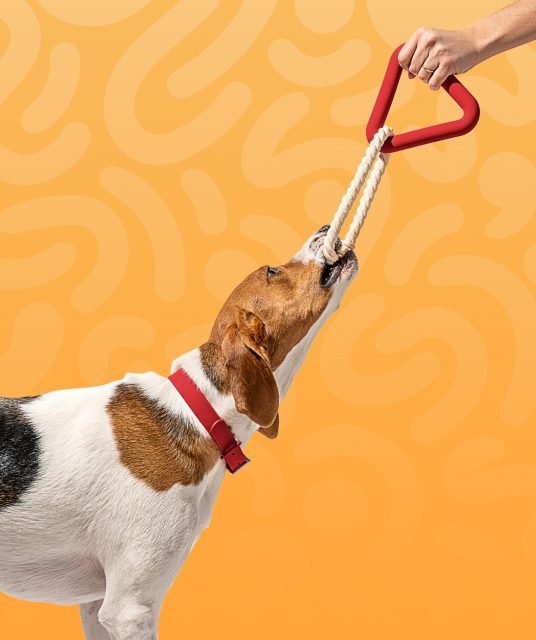
4. Rope Toys
Rope toys are popular for interactive games such as tug-of-war.
Playing together can provide physical activity while also giving you an opportunity to strengthen your relationship with your dog.
Choose an appropriately sized rope toy and inspect it regularly for loose or damaged pieces.
Best for: Interactive play.
5. Fetch Balls
A simple ball can provide plenty of exercise.
Playing fetch in an appropriate outdoor or indoor area encourages your dog to run, chase, retrieve, and interact with you.
When choosing a ball, make sure it's an appropriate size for your dog.
Best for: Active dogs that love chasing.
6. Squeaky Dog Toys
Many dogs enjoy toys that make sounds when squeezed or bitten.
The noise can stimulate curiosity and make play more exciting.
However, some dogs quickly destroy squeaky toys, so inspect them regularly and replace damaged ones.
Best for: Dogs that enjoy sound and interactive play.
7. Treat Balls
Treat balls combine physical activity with food-based enrichment.
As your dog pushes the ball around, small amounts of food or treats may be released.
This can turn snack time into a more engaging activity.
Best for: Food-motivated dogs.
8. Snuffle Mats
Dogs have an excellent sense of smell, and snuffle mats allow them to use that natural ability.
Food or treats are hidden among fabric sections, encouraging your dog to sniff and search.
Sniffing activities can be mentally engaging and provide a different type of enrichment from traditional toys.
Best for: Dogs that love sniffing and searching.
9. Electronic Interactive Toys
Some modern dog toys move, roll, bounce, or respond to interaction.
These products can provide additional entertainment, particularly when you're occupied.
However, electronic toys shouldn't replace human interaction, walks, training, and supervised play.
Best for: Curious dogs that enjoy movement.
10. Tug Toys
Tug toys are excellent for interactive play.
A short play session can provide physical activity and mental engagement while strengthening the bond between you and your dog.
Use appropriate play techniques and choose a toy designed for dogs.
Best for: Dogs that enjoy interactive games.
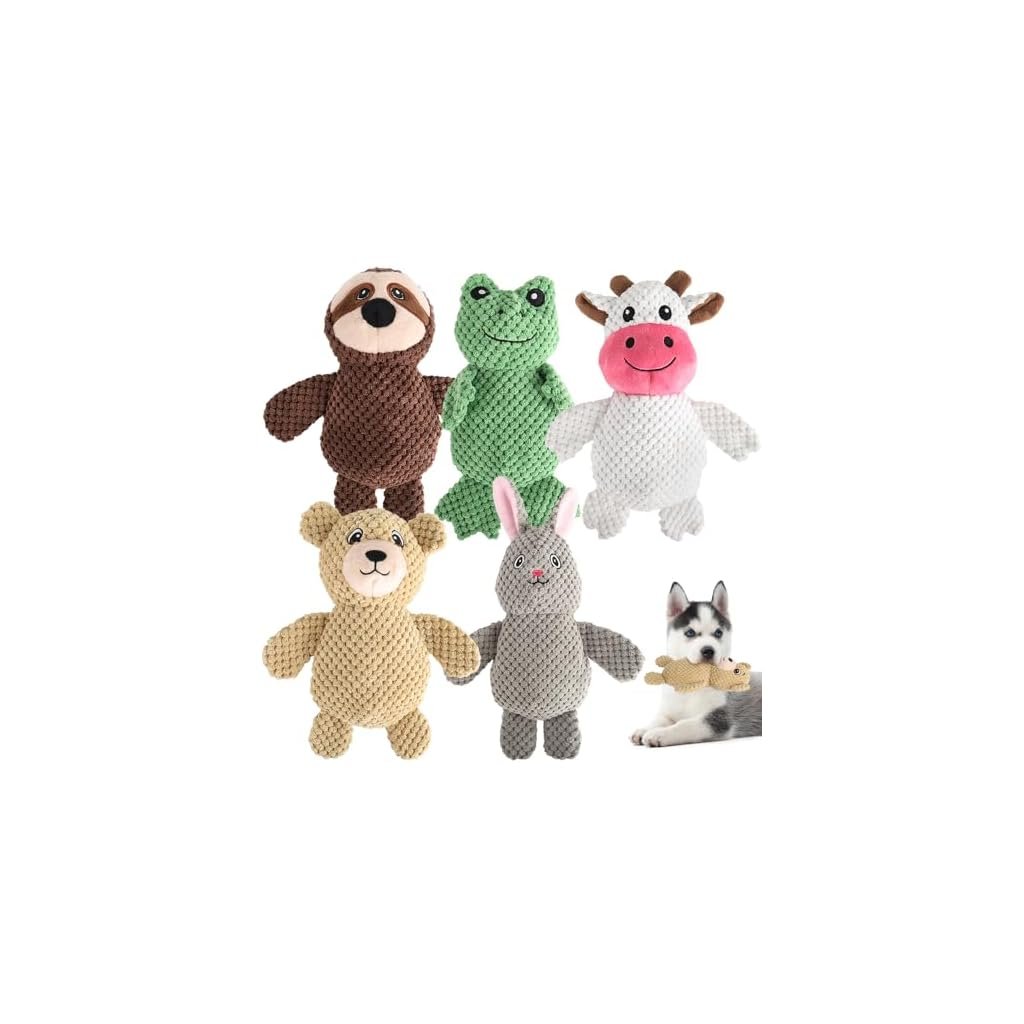
11. Plush Dog Toys
Soft plush toys can be entertaining for dogs that enjoy carrying, tossing, or cuddling toys.
They're generally better suited to dogs that aren't aggressive chewers.
If your dog tends to rip toys apart, choose a more durable alternative.
Best for: Gentle chewers and dogs that enjoy carrying toys.
12. Hide-and-Seek Toys
Some dog toys contain smaller toys hidden inside.
Your dog has to figure out how to remove them, making playtime more challenging.
These toys can provide both physical interaction and mental stimulation.
Best for: Curious dogs that enjoy solving problems.
13. Floating Dog Toys
If your dog enjoys swimming, floating toys can add another dimension to outdoor play.
They can be useful for trips to appropriate dog-friendly swimming areas or beaches.
Choose brightly visible toys that are easy to retrieve from the water.
Best for: Water-loving dogs.
14. Interactive Feeding Toys
Instead of feeding every meal from a traditional bowl, some owners use appropriate enrichment feeders that encourage dogs to work for their food.
This can make mealtime more engaging.
Always follow the manufacturer's instructions and make sure the toy is appropriate for your dog.
Best for: Dogs that eat quickly or enjoy food puzzles.
15. Interactive Ball Launchers
For dogs that never seem to get tired of fetching, interactive ball launchers can make games more engaging.
Some models are designed for indoor or outdoor use.
Choose a product suitable for your dog's size and the space available.
Best for: Active dogs that love fetch.
How to Choose the Right Dog Toy
Don't choose a toy simply because it looks attractive.
Consider these factors before buying.
Your Dog's Size
A toy should be appropriate for your dog's size.
A toy that's too small could present a choking or swallowing risk, while an oversized toy may be difficult for a smaller dog to use.
Your Dog's Chewing Style
Does your dog gently nibble toys or destroy them within minutes?
Heavy chewers need products designed specifically for more vigorous chewing.
Your Dog's Personality
Think about what your dog naturally enjoys.
Does your dog love:
Chasing?
Chewing?
Sniffing?
Food?
Tugging?
Solving puzzles?
Carrying toys?
Choose toys that match those behaviors.
Your Dog's Age
Puppies, adult dogs, and senior dogs may have different needs.
Puppies may enjoy age-appropriate chew and enrichment toys, while senior dogs may benefit from toys that provide stimulation without requiring excessive physical exertion.
How to Keep Your Dog Interested in Toys
Even the best dog toy can become boring if it's available all the time.
One useful strategy is toy rotation.
Instead of leaving every toy on the floor, keep some stored away and rotate them periodically.
You can also combine different types of activities:
Morning: Walk and sniffing activity.
Afternoon: Puzzle toy.
Evening: Interactive tug or fetch.
This provides variety throughout the day.
Are Interactive Dog Toys Worth Buying?
For many dogs, interactive toys can be a useful source of enrichment.
The main advantage is that they require the dog to participate rather than simply carry or chew the toy.
However, they should complement—not replace—exercise, training, social interaction, and appropriate rest.
Dog Toy Safety Tips
Always inspect toys regularly.
Replace toys if they become:
Torn
Broken
Excessively worn
Small enough to swallow
Covered in loose pieces
Supervise your dog when introducing a new toy, particularly if they are a strong chewer.
If you're unsure whether a particular toy is suitable for your dog, consult your veterinarian or a qualified pet professional.
Frequently Asked Questions
What is the best toy for a bored dog?
Interactive toys, puzzle toys, snuffle mats, treat-dispensing toys, and fetch toys can provide different forms of physical and mental stimulation. The best choice depends on your dog's personality and preferences.
What toys keep dogs entertained the longest?
Puzzle toys, treat-dispensing toys, and enrichment products can keep some dogs engaged for longer because they require problem-solving rather than simple chewing or carrying.
Are puzzle toys good for dogs?
Yes. Puzzle toys can provide mental stimulation by encouraging dogs to solve simple challenges to reach food or treats.
How many toys should a dog have?
There isn't a fixed number. Providing a variety of appropriate toys and rotating them can be more useful than simply having a large collection.
Are chew toys safe for dogs?
Appropriate chew toys can be useful, but no toy is completely risk-free. Choose products appropriate for your dog's size and chewing style and inspect them regularly.
Final Thoughts
The best dog toys for bored dogs are those that match your dog's natural interests and provide an appropriate combination of physical and mental stimulation.
Try offering a mixture of chew toys, puzzle toys, interactive toys, fetch toys, and scent-based enrichment.
Most importantly, remember that toys are only one part of a happy dog's lifestyle. Regular exercise, training, companionship, rest, and a suitable environment are equally important.
Ready to upgrade your dog's playtime?
Explore the Dog Toys collection at PetStorePlanet and discover a range of toys and enrichment products for your four-legged companion.