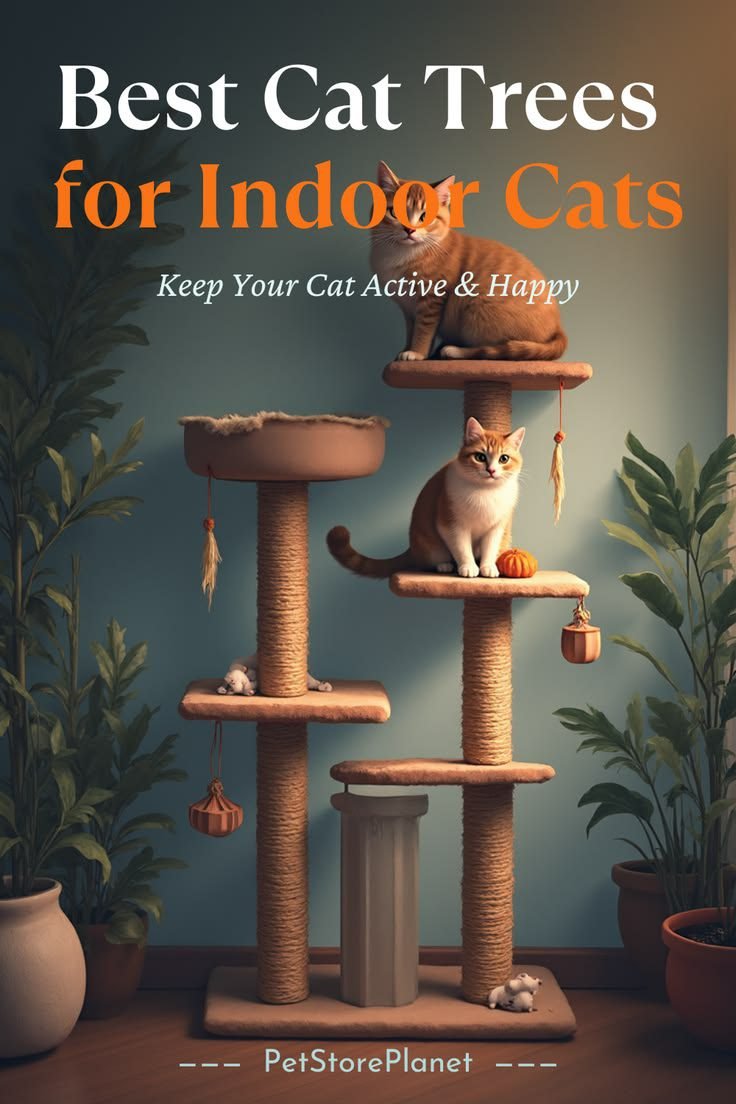
Indoor cats may spend much of their time inside, but that doesn't mean they don't need opportunities to climb, scratch, play, explore, and rest.
A well-designed cat tree can provide several of these activities in one dedicated space.
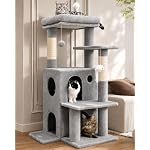
However, choosing the right cat tree isn't always straightforward. There are compact models for small apartments, tall cat towers for active cats, multi-level structures for multiple cats, and large cat furniture designed for bigger breeds.
So, what should you look for?
This guide explains the most important features to consider when choosing one of the best cat trees for indoor cats.
Why Do Indoor Cats Need a Cat Tree?
Cats naturally enjoy vertical spaces.
Being able to climb and observe their surroundings can provide opportunities for exploration and enrichment.
A cat tree may provide:
-
Climbing opportunities
-
Scratching surfaces
-
Elevated resting areas
-
Hiding spaces
-
Play areas
-
Exercise
-
Mental stimulation
It can also provide your cat with an alternative place to scratch rather than your furniture.
15 Things to Look For in a Cat Tree
1. A Stable Base
Stability should be one of your first considerations.
A tall cat tower needs a sturdy base that helps keep it stable when your cat jumps, climbs, or moves between platforms.
2. Appropriate Height
Some cats love climbing high.
Others prefer structures closer to the ground.
Consider your cat's personality as well as the available space in your home.
3. Strong Scratching Posts
Scratching is a normal feline behavior.
Look for cat trees with durable scratching posts covered in suitable scratching material such as sisal.
4. Multiple Platforms
Multi-level platforms can encourage cats to climb and explore.
They're especially useful if you have an active cat or multiple cats.
5. Comfortable Resting Areas
Many cat trees include padded platforms, hammocks, or beds.
These give your cat somewhere comfortable to relax after climbing and playing.
6. Enclosed Spaces
Some cats love hiding.
A cat condo or enclosed cubby can provide a private resting area.
This may be particularly appealing to cats that prefer quiet spaces.
7. Interactive Toys
Many cat towers include hanging balls or other toys.
These can make the structure more interesting, although attached toys should be inspected regularly.
8. Quality Construction
A cat tree should be strong enough for your cat's size and activity level.
Pay attention to construction quality, materials, and weight recommendations.
9. Washable Components
Cats shed.
Over time, fur can accumulate on soft surfaces.
Removable or washable cushions can make maintenance easier.
10. The Available Floor Space
Before purchasing, measure your intended location.
A cat tower may look smaller online than it actually is once assembled.
Measure:
-
Width
-
Depth
-
Height
-
Doorways
-
Available floor area
11. Weight Capacity
If you own a larger cat, check the manufacturer's weight recommendations.
A structure designed for a small kitten may not be appropriate for a larger adult cat.
12. Multiple Cats
If you have several cats, consider a larger cat tree with multiple platforms and resting areas.
This gives cats more opportunities to move around independently.
13. Cat Trees for Kittens
Kittens may benefit from smaller structures that allow them to climb and explore without requiring excessive jumping.
As they grow, you can consider upgrading to a larger structure.
14. Cat Trees for Large Cats
Large cats require sturdy furniture with appropriately sized platforms.
Don't select a tower based purely on its appearance.
Check the recommended weight limits and platform dimensions.
15. Placement
Where you put the cat tree can make a significant difference.
Many cats enjoy elevated positions near windows where they can observe the outside world.
A location in an area where your family spends time can also help the cat remain part of household activity.
Cat Tree vs. Scratching Post
A scratching post primarily provides a surface for scratching.
A cat tree can combine scratching with:
-
Climbing
-
Resting
-
Hiding
-
Playing
-
Exploring
If your cat particularly enjoys scratching, however, a dedicated scratching post may still be useful alongside a cat tree.
How to Encourage Your Cat to Use a Cat Tree
Some cats immediately investigate new furniture.
Others need more encouragement.
Try placing the cat tree in a location your cat already enjoys.
You can also:
-
Place a favorite toy nearby
-
Use appropriate treats
-
Play around the structure
-
Put a familiar blanket on a resting platform
Give your cat time to investigate.
Avoid forcing your cat onto the structure.
How to Clean a Cat Tree
Regular maintenance can help keep cat furniture fresh.
Vacuum loose fur from soft surfaces.
Follow the manufacturer's cleaning instructions for removable covers and other components.
Check scratching posts and toys regularly for excessive wear.
How Often Should You Replace a Cat Tree?
There isn't a universal replacement schedule.
The lifespan depends on construction quality, usage, number of cats, and wear.
Consider replacing a cat tree if:
-
Platforms become unstable
-
Scratching posts are severely damaged
-
Materials become unsafe
-
Structural components loosen
-
The furniture can no longer support your cat safely
Frequently Asked Questions
Are cat trees good for indoor cats?
Yes. Cat trees can provide indoor cats with opportunities to climb, scratch, play, hide, and rest.
What is the best height for a cat tree?
It depends on your cat and your home. Active cats may enjoy taller towers, while older or less mobile cats may prefer structures with easily accessible platforms.
Are cat trees good for large cats?
They can be, provided the cat tree is specifically designed to support the cat's size and weight. Always check the manufacturer's specifications.
Where should I put a cat tree?
A location near a window or in an area where your cat likes to spend time can work well. Make sure the structure is positioned securely.
Do cats actually use cat trees?
Many cats enjoy vertical furniture, although individual preferences vary. Choosing a structure that matches your cat's interests can increase the likelihood they'll use it.
Final Thoughts
The best cat trees for indoor cats combine stability, scratching opportunities, climbing areas, comfortable resting spaces, and appropriate construction.
Before buying, consider your cat's size, age, personality, activity level, and the space available in your home.
A thoughtfully chosen cat tree can become one of your cat's favorite places to play, observe the world, scratch, and relax.
Explore PetStorePlanet's Cat Supplies and Cat Furniture collections to discover products designed to make indoor life more comfortable and stimulating for your feline companion.